We all love flower gardens. And for those of us who truly love them, we take extra care. We water them with those beautiful hoses from the hardware store. We watch closely so no weeds raise their ugly heads. We carefully plant flowers in thoughtful arrangements, grouping them in ways that make sense to us. We build barriers—using mesh, wire, or even other plants—to protect what we’ve cultivated.
When snakes slither in or bugs appear, we gently pull them out—depending on how aggressive they are. Sometimes, we go rogue. We kill them and drag them out. Our garden becomes a sanctuary: a place to rest, to reflect, to breathe in peace and quiet.

Most gardeners don’t like other people making changes to their gardens—or even touching them. I remember one time my husband had our gardener move my evergreens from the backyard to the front. Needless to say, I was not happy. He touched my evergreens, and worse, moved them to a place I had not chosen.
Marriage and partnership are the same way.
Marriage is like a flower garden. It is cultivated. You will either neglect it or care for it. It requires patience, time, seasons, and intention. Seeds must be planted and allowed to grow to maturity. And when relationships mature, they stand firm.
So the questions become uncomfortable—but necessary:
Do you plant seeds meant to last, or seeds that wither under pressure?
Do you notice the bugs early, or wait until they multiply?
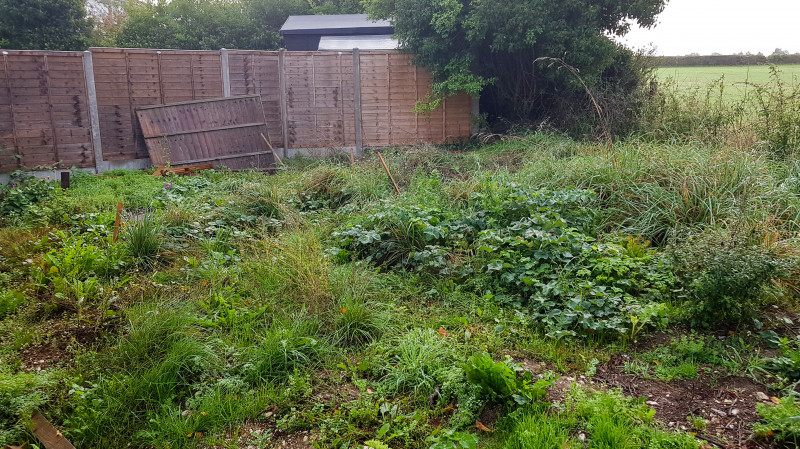
Do you let weeds choke your marriage before pulling them out?
Have the weeds been left so long that now you need heavy equipment—counseling, prayer, fasting—to remove them?
Have snakes slithered in and begun to nest?
When marriage is neglected, Scripture is clear about the consequences.
In 1 Corinthians 7:3–5, we are reminded that husbands and wives should not deprive one another, except by mutual consent and for a time, so that Satan does not tempt them because of a lack of self-control. Marriage requires care. Presence. Mutual responsibility.
Yet we see it often: a spouse walks into a room after hours away and is met with no acknowledgment. We answer calls from others but ignore calls from our partners. One partner carries expectations the other is never allowed to have.
In this age of constant connection, we are profoundly disconnected. We spend more hours on screens than with the people we love. The dining table used to be a place of conversation—where families sat together, looked into each other’s eyes, read emotions, and reached for one another. The bedroom used to be a place of solace.
Now, we eat at different times. We go to bed at different times. Slowly, distance becomes normal.
The bugs, the weeds, and the snakes move in—and the structure begins to crumble.
So How Do We Begin Again?
We start with honest, gentle conversations.
We schedule time together.
We reconnect through weekend getaways when life allows—because yes, we still have to put food on the table.
We pray together, even when it feels awkward. Couples who pray together often reconnect emotionally faster.
We rebuild emotional intimacy before physical intimacy. Many marriages drift because emotional needs go unmet. Ask your partner how they are doing—and listen without fixing or defending. Appreciation, expressed daily, restores closeness. Feeling seen leads to feeling safe.
Resentment must be addressed. Hurt does not disappear when ignored; it hardens. Blame shuts down connection. Vulnerability opens doors.
And when needed, we bring in outside help—the heavy tools required to remove deep roots. There is no shame in counseling. It does not have to be a church leader. Sometimes it is an older, wiser person who has walked this road before. Retreats can also create space to pause and see clearly.
Conclusion
Love is not something you wait to feel before you act. Love is a choice made daily. Feelings often return after loving actions resume.
Gardens do not remain beautiful by accident. And neither do marriages. But with patience, honesty, intention, and care, even neglected places can bloom again. God has a way of breathing life back into gardens we once thought were beyond saving.
 Takang Nji
Leave a comment